
What Is Fatigue and Why Is It Challenging to Diagnose Its Causes?
Fatigue is a persistent state of exhaustion and depleted energy that goes beyond ordinary tiredness. Unlike temporary sleepiness that resolves with a good night’s rest, true fatigue lingers despite adequate sleep and significantly impairs your ability to function in daily activities, work, and relationships.
Healthcare professionals face substantial obstacles when pinpointing the root causes of fatigue. The condition presents as a non-specific symptom shared by hundreds of medical conditions, making it difficult to trace back to a single source. A patient complaining of exhaustion could be experiencing anything from:
- Underlying sleep disorders like sleep apnea or narcolepsy
- Chronic medical conditions such as diabetes or thyroid dysfunction
- Mental health issues including depression or anxiety
- Medication side effects
- Nutritional deficiencies
- Poor lifestyle habits related to diet, exercise, or substance use
The diagnostic challenge intensifies because many causes of fatigue remain invisible during standard medical examinations. Blood tests and physical assessments often return normal results, leaving both patients and doctors frustrated. Sleep-related issues particularly evade detection since they occur when patients are unconscious and unaware of disrupted breathing patterns or abnormal sleep architecture.
Understanding how a sleep study Brisbane can help identify the hidden causes of fatigue becomes essential when conventional diagnostic approaches fail to reveal answers. These specialized tests observe what happens during sleep, uncovering problems that daytime evaluations simply cannot detect.
How Can a Sleep Study in Brisbane Help Uncover Hidden Sleep Disorders That Cause Fatigue?
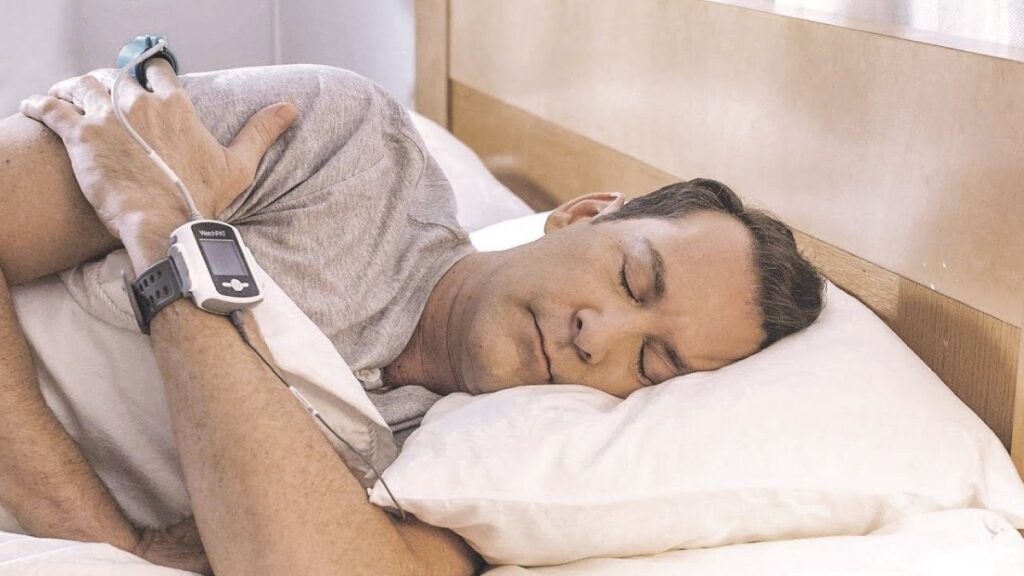
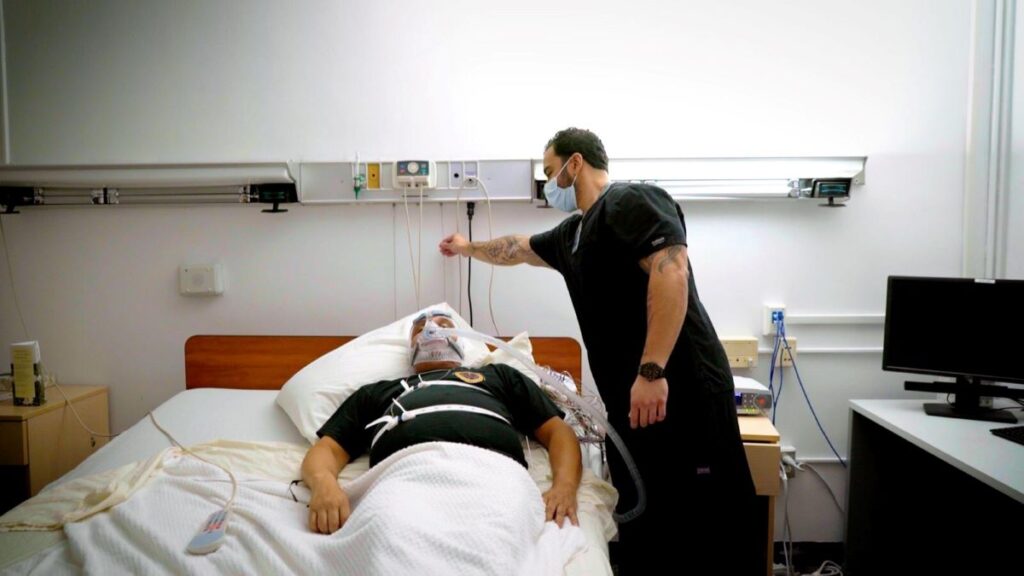
A sleep study Brisbane provides comprehensive monitoring of your body during sleep to identify disruptions you might not consciously notice. During the study, specialized equipment tracks brain activity, eye movements, heart rate, breathing patterns, oxygen levels, and body movements throughout the night. This detailed data reveals how well you’re actually sleeping and whether underlying disorders are fragmenting your rest.
The process works by capturing what happens during different sleep stages. Sleep scientists analyze this information to detect abnormal patterns that indicate specific disorders. When breathing stops repeatedly, oxygen drops, or brain activity shows frequent arousals, these markers point to conditions preventing restorative sleep.
Hidden sleep disorders fatigue often stems from conditions that remain invisible during daytime doctor visits:
- Sleep apnea: Breathing repeatedly stops and starts, causing oxygen deprivation and constant micro-awakenings that prevent deep sleep. The symptoms of obstructive sleep apnea can be particularly deceptive.
- Periodic limb movement disorder: Involuntary leg twitches throughout the night disrupt sleep continuity.
- Upper airway resistance syndrome: Increased breathing effort creates sleep fragmentation without complete airway blockage.
Many people experience loud snoring, gasping for air during sleep, morning headaches, difficulty concentrating, and overwhelming daytime sleepiness yet attribute these signs to stress or aging rather than a diagnosable medical condition requiring treatment.
What Are Some Less Obvious Conditions That Sleep Studies Can Reveal as Causes of Fatigue?
Sleep studies detect several less obvious conditions that can cause fatigue, beyond the commonly recognized sleep apnea.
1. Restless Legs Syndrome (RLS)
Restless legs syndrome (RLS) creates uncomfortable sensations in the legs during rest, compelling sufferers to move constantly. This disrupts sleep architecture and prevents restorative rest, leaving individuals exhausted despite spending adequate time in bed.
2. Narcolepsy
Narcolepsy represents another hidden culprit that sleep studies can identify. This neurological disorder causes sudden, uncontrollable sleep attacks during daytime hours, along with disrupted nighttime sleep patterns. People with narcolepsy often experience:
- Excessive daytime sleepiness regardless of nighttime sleep duration
- Sudden muscle weakness triggered by strong emotions (cataplexy)
- Sleep paralysis upon waking or falling asleep
- Vivid hallucinations during sleep transitions
3. Periodic Limb Movement Disorder (PLMD)
Periodic limb movement disorder (PLMD) involves repetitive leg movements throughout the night, fragmenting sleep cycles without the person’s awareness. These involuntary jerks occur every 20-40 seconds and can happen hundreds of times per night, significantly reducing sleep quality.
4. Circadian Rhythm Disorders
Circadian rhythm disorders disrupt the body’s internal clock, making it difficult to sleep and wake at conventional times. Shift workers and individuals with delayed sleep phase syndrome particularly struggle with persistent fatigue as their natural sleep-wake cycle conflicts with daily obligations.
Sleep studies detect these less obvious conditions causing fatigue through comprehensive monitoring of brain waves, muscle activity, and movement patterns throughout the night.
Why Is It Crucial to Investigate Sleep Apnea When Dealing with Fatigue Issues?
Sleep apnea directly causes persistent fatigue by repeatedly interrupting your sleep cycle throughout the night. Each breathing pause triggers a micro-awakening that prevents you from reaching the deep, restorative sleep stages your body needs to recharge. Even if you spend eight hours in bed, untreated sleep apnea leaves you feeling as exhausted as someone who only slept four hours.
The importance of sleep apnea investigation for fatigue extends beyond just feeling tired. This condition creates a cascade of health complications that compound your exhaustion:
- Cardiovascular strain: Your heart works harder during each breathing pause, increasing risks of hypertension, heart failure, and irregular heartbeat. This is a direct result of how sleep deprivation affects your heart.
- Metabolic disruption: Interrupted sleep affects insulin regulation, raising diabetes risk and making weight management difficult
- Cognitive decline: Oxygen deprivation during sleep episodes damages brain function, causing memory problems and concentration difficulties similar to early Alzheimer’s symptoms
- Mental health impact: Disrupted sleep cycles alter hormone production, contributing to depression and anxiety
A sleep study in Brisbane can help identify the hidden causes of fatigue becomes particularly relevant here. Without proper diagnostic testing, sleep apnea often masquerades as simple tiredness or stress. Many people live with this condition for years, attributing their fatigue to aging or busy lifestyles, while their health steadily deteriorates from oxygen deprivation and sleep fragmentation.
The effects of such sleep deprivation are profound and far-reaching, impacting various aspects of health and well-being.
How Does a Bulk-Billed Sleep Study in Brisbane Make Testing More Accessible for Individuals Experiencing Fatigue?
A bulk-billed sleep study Brisbane eliminates out-of-pocket costs for eligible patients, removing the financial barrier that often prevents people from seeking proper diagnosis. Under this arrangement, the clinic bills Medicare directly, meaning patients with a valid referral from their GP pay nothing for the comprehensive testing required to investigate their fatigue symptoms.
The accessibility testing fatigue improves significantly through bulk billing because individuals no longer need to choose between their health and their budget. Many people experiencing chronic tiredness delay or avoid sleep studies due to cost concerns, allowing their condition to worsen over months or years.
Specialized clinics like NBST (Newcastle and Brisbane Sleep Testing) provide bulk-billed services across Brisbane, offering both in-lab overnight testing and home-based ambulatory studies. These options cater to different patient needs and preferences:
- In-lab testing suits complex cases requiring detailed monitoring by experienced sleep scientists
- Home-based testing provides convenience for suspected obstructive sleep apnea cases
- Hospital-grade equipment ensures accurate diagnosis regardless of testing location
- Respiratory physician interpretation guarantees professional analysis of results
The combination of zero cost and flexible testing options means more Brisbane residents can access the diagnostic tools needed to uncover why they feel perpetually exhausted. This accessibility proves particularly valuable for shift workers, parents, and individuals managing multiple health conditions who might otherwise postpone investigation into their debilitating fatigue.
When Should Someone Consider Undergoing a Sleep Study in Brisbane to Investigate Their Fatigue Symptoms?
Persistent daytime tiredness despite getting seven to nine hours of sleep each night is a primary indication that fatigue symptoms require professional evaluation through a sleep study. When exhaustion interferes with work performance, social activities, or daily responsibilities, medical investigation becomes necessary.
Specific warning signs suggest underlying sleep disorders may be causing fatigue:
- Loud, chronic snoring reported by bed partners or family members
- Witnessed breathing pauses during sleep that last several seconds
- Gasping or choking sensations that wake you from sleep
- Morning headaches that occur regularly upon waking
- Difficulty concentrating or memory problems throughout the day
- Irritability or mood changes without clear emotional triggers
- Frequent nighttime awakenings requiring bathroom visits or for unknown reasons
- Teeth grinding (bruxism) or jaw clenching during sleep
People who fall asleep unintentionally during quiet activities like reading, watching television, or sitting in meetings should seek evaluation promptly. Those working in safety-sensitive industries—including mining, commercial driving, or aviation—face additional urgency due to the risks associated with undiagnosed sleep disorders. A referral from your general practitioner initiates the assessment process, allowing sleep specialists to determine whether polysomnography or home-based testing suits your specific situation. You may like to visit https://gxoptical.com/sleep-testing-adelaide-how-at-home-diagnostics-are-helping-locals-sleep-better/ to get more about sleep testing Adelaide: how at-home diagnostics are helping locals sleep better.
How Can Identifying the Root Causes Through a Sleep Study Improve Fatigue Management?
Accurate diagnosis transforms fatigue from an unsolvable mystery into a manageable condition with clear treatment pathways. A sleep study in Brisbane provides the precise data needed to develop targeted treatment fatigue management strategies tailored to your specific sleep disorder.
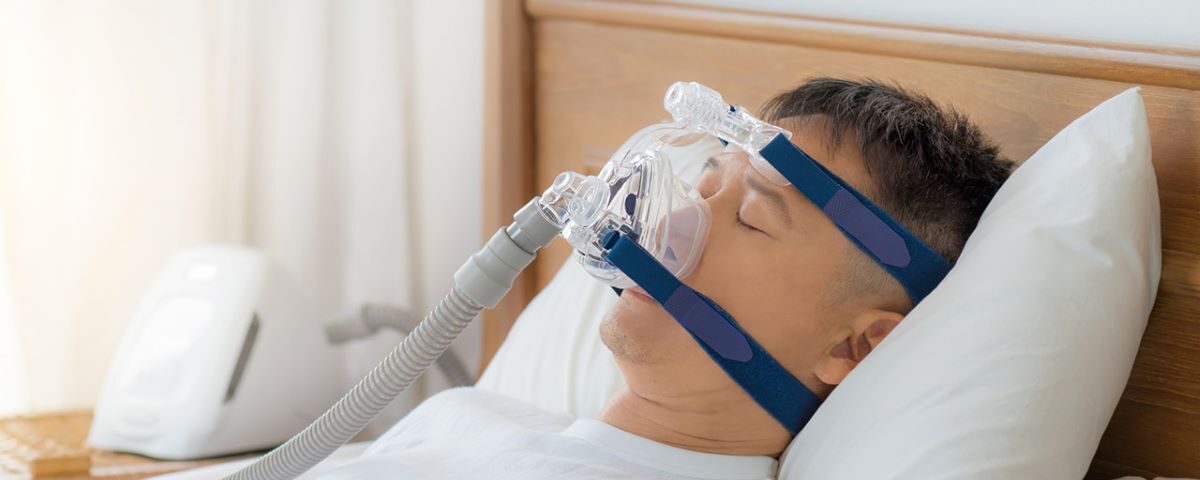
When sleep apnea is identified, CPAP (Continuous Positive Airway Pressure) therapy becomes the primary medical intervention. This device maintains open airways during sleep, preventing breathing interruptions that fragment rest and cause daytime exhaustion. Most patients report dramatic energy improvements within weeks of consistent CPAP use.
Lifestyle modifications complement medical treatments:
- Weight management reduces airway obstruction in sleep apnea patients
- Regular exercise improves sleep quality and daytime alertness
- Alcohol reduction prevents airway muscle relaxation that worsens breathing issues
- Sleep position changes (side-sleeping) minimize apnea episodes
- Consistent sleep schedules regulate circadian rhythms
For conditions like restless legs syndrome, dietary adjustments addressing iron deficiency may prove essential. Narcolepsy patients benefit from structured nap schedules and stimulant medications prescribed based on sleep study findings.
The diagnostic clarity from how a sleep study in Brisbane can help identify the hidden causes of fatigue eliminates guesswork. Rather than treating symptoms blindly, healthcare providers create evidence-based treatment plans addressing the actual physiological problems disrupting your sleep. This precision approach significantly increases treatment success rates and helps patients reclaim their energy and quality of life.