
Sleep problems rarely stay confined to the bedroom. When someone snores loudly, wakes unrefreshed, or struggles with daytime fatigue, the next step is often clear: get assessed. In sleep testing Adelaide, at-home diagnostics are now making that assessment simpler, faster, and more comfortable for many South Australians.
At-home options are not “one size fits all”, and they are not always the right first choice. Still, they are changing how people access screening and diagnosis, particularly for suspected obstructive sleep apnoea.
What is sleep testing, and who is it for?
Sleep testing measures breathing, oxygen levels, heart rate, sleep stages, or movement to identify sleep disorders. It is commonly used when symptoms suggest obstructive sleep apnoea, insomnia patterns, restless legs, or other sleep-related issues.
In sleep testing Adelaide, referrals often come from a GP when a person reports loud snoring, witnessed pauses in breathing, morning headaches, or persistent tiredness. Some people also seek testing after safety concerns, like fatigue while driving.
Why are at-home diagnostics growing in sleep testing Adelaide?
At-home diagnostics are growing because they reduce barriers that stop people getting assessed. They can be easier to schedule, less intimidating than a lab, and often closer to normal sleep.
For many providers offering sleep testing Adelaide, home studies also help triage demand. They can identify clear cases of sleep apnoea sooner, so treatment can begin without long delays.
How does an at home sleep test actually work?
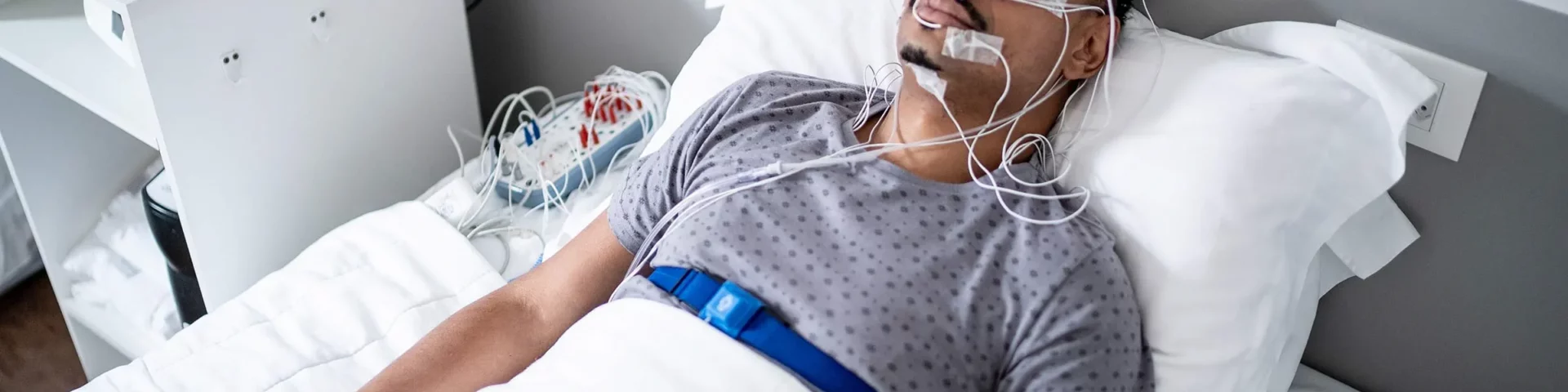
An at home sleep test typically uses a portable device worn overnight to record breathing and oxygen levels. Many systems include a nasal cannula, chest belt, and finger oximeter; then data is returned for analysis.
In sleep testing Adelaide, patients usually receive set-up instructions and support. They are asked to follow their usual routine, avoid changing sleep habits, and complete a short sleep diary so clinicians can interpret the results in context.
What does an in-lab sleep study measure that home testing may miss?
In-lab studies can record a broader range of signals, including brain activity (EEG) to confirm sleep stages. That matters when symptoms point beyond breathing issues, or when results need a deeper level of detail.
Clinics providing sleep testing Adelaide may recommend in-lab testing when a person has complex medical conditions, suspected non-respiratory sleep disorders, or when home results do not match symptoms.
Is at home sleep testing accurate enough for diagnosis?
For many people with suspected obstructive sleep apnoea, home testing can be accurate enough to support diagnosis and treatment. Accuracy depends on the device, correct set-up, and whether the person’s condition fits the test’s limits.
In sleep testing Adelaide, clinicians often use home studies for straightforward presentations. If data quality is poor or results are borderline, they may repeat the test or move to an in-lab study to confirm.
Who is most likely to benefit from at home sleep testing?
People who suspect obstructive sleep apnoea and can sleep reasonably well at home often benefit most. They may also prefer home testing if they feel anxious in clinical settings or have busy work and family schedules.
For many households in sleep testing Adelaide, comfort is a major factor. Sleeping in a familiar bed can reduce the “first night effect” that sometimes affects lab studies and makes sleep less typical.
What are the practical steps to access sleep testing Adelaide services?
Most people start with a GP appointment to discuss symptoms and risk factors. The GP may arrange a referral to a sleep physician or a local sleep service that provides assessment and testing options.
In sleep testing Adelaide, some providers coordinate the whole pathway: screening questionnaires, device pick-up or delivery, clinician review, then recommendations. They will also advise whether Medicare or private health rebates may apply in that individual’s situation.
How do clinicians interpret results from home sleep studies?
Clinicians look at breathing events, oxygen drops, and patterns across the night. They use these signals to calculate indices such as the apnoea hypopnoea index (AHI), then match the findings to symptoms.
In sleep testing Adelaide, interpretation is not just a number. A person with mild results but severe daytime sleepiness may still need active treatment, while someone with moderate results and few symptoms may be managed differently.
What happens after a diagnosis, and how quickly can treatment begin?
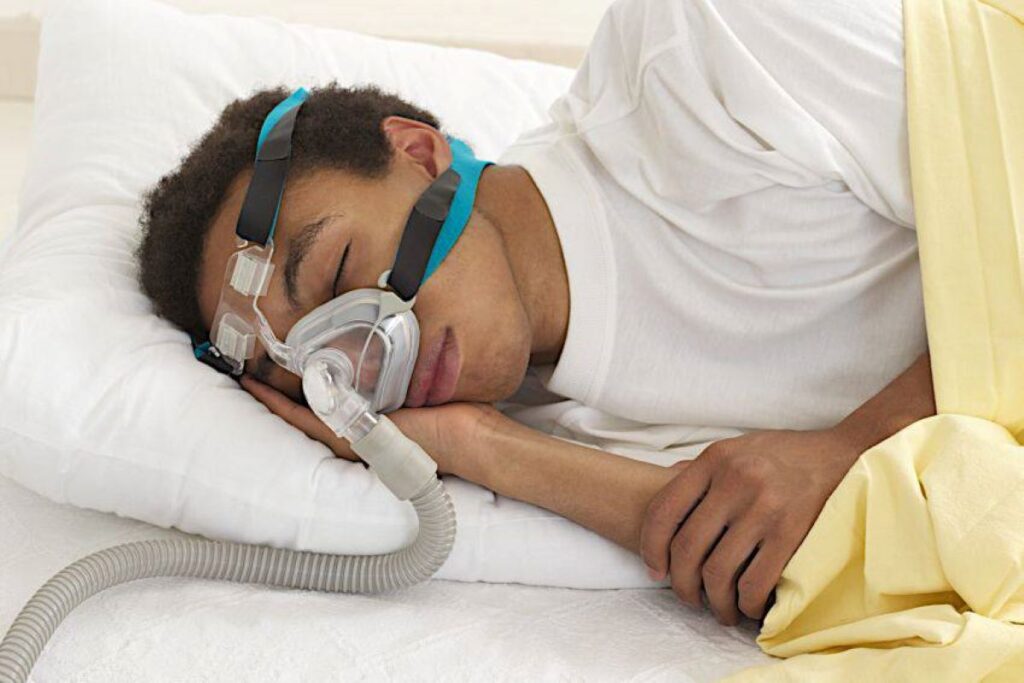
After diagnosis, treatment may include CPAP therapy, oral appliances, positional therapy, weight management support, or referral for ENT assessment, depending on the cause and severity. Many people also need education on sleep habits and device use.
In sleep testing Adelaide, at-home diagnostics can shorten the timeline from suspicion to treatment, especially for CPAP initiation. Follow-up is still essential, because mask fit, comfort, and adherence determine whether treatment actually improves health.
What limitations should people understand before choosing at-home testing?
At-home tests can fail due to sensors coming loose, short recording times, or atypical
sleep. They also usually cannot diagnose every sleep disorder, especially those requiring brain wave monitoring.
That is why sleep testing Adelaide services often screen first. If insomnia is the primary issue, if there are neurological symptoms, or if there is significant heart or lung disease, clinicians may steer the person towards an in-lab study from the start.
How are at-home diagnostics changing sleep health outcomes in South Australia?
They are improving access by making testing more achievable for more people, particularly those who delayed assessment for years. Earlier testing can lead to earlier treatment, which may reduce risks linked with untreated sleep apnoea, including cardiovascular strain and driving accidents.
In sleep testing Adelaide, the biggest shift is behavioural: people are more willing to get checked. When testing feels less disruptive, more individuals follow through, and that can lift outcomes across families, workplaces, and the broader community.
What should they ask a provider before booking sleep testing Adelaide?
They should ask which test is recommended and why, what the device measures, and what happens if the first night’s data is insufficient. They should also ask who reviews the results, how quickly results return, and what follow-up support is included.
For anyone weighing up sleep testing Adelaide options, clarity matters. A good provider will explain whether home testing fits their symptoms, outline next steps if results are unclear, and focus on long-term management rather than a single report.
Conclusion: is at home sleep testing the new default?
At-home testing is becoming a common first step, but it is not always the best step for every case. The right choice depends on symptoms, health history, and the level of detail required.
In sleep testing Adelaide, at-home diagnostics are helping more people move from uncertainty to answers with less friction. When combined with proper clinical review and follow-up care, they can be a practical, effective way to improve sleep and protect long-term health.
See Also : How a Sleep Study in Brisbane Can Help Identify the Hidden Causes of Fatigue