
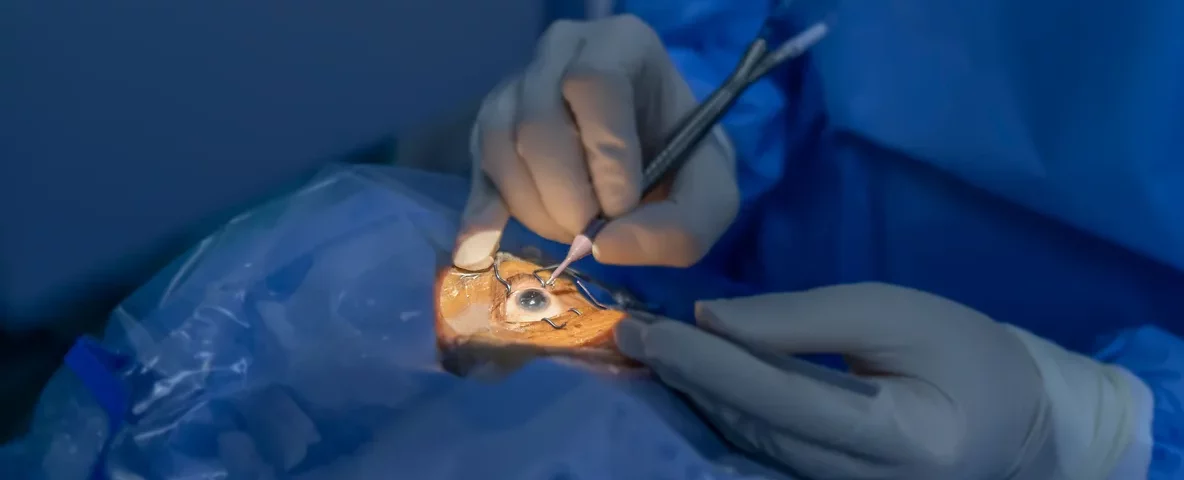
Understanding the True Cost of LASIK in 2026
Choosing to undergo laser eye surgery is a significant life decision that balances clinical outcomes with financial feasibility. For many Australians, the primary barrier to achieving 20/20 vision isn’t the technology, but the perceived upfront cost.
In this LASIK eye surgery price guide: understanding financing and insurance in 2026, we break down the current economic landscape of refractive surgery. From the initial consultation fees to the long-term savings on eyewear, this guide provides a comprehensive framework for navigating the private health sector and third-party payment providers.
See more: Can Laser Eye Surgery Fix Astigmatism? Eligibility, Limits, and Outcomes
What Determines the Price of LASIK in Australia?
The cost of laser vision correction is not a flat rate. In 2026, the price reflects a combination of surgical expertise, diagnostic precision, and the specific laser platform used during the procedure.
1. Diagnostic Technology and Mapping
Modern LASIK utilizes wavefront-guided or topography-guided mapping. This creates a “digital fingerprint” of your cornea, allowing the laser to correct microscopic irregularities that standard glasses cannot address. Clinics investing in the latest diagnostic suites often have higher base prices but offer superior visual sharpness.
2. Surgeon Experience and Specialisation
A senior ophthalmic surgeon with thousands of successful procedures typically commands a higher fee than a general practitioner. In Australia, the Royal Australian and New Zealand College of Ophthalmologists (RANZCO) sets high standards for training, which ensures that premium pricing correlates with clinical safety.
3. Clinic Overheads and Aftercare
The “all-inclusive” price often covers:
- The initial suitability assessment.
- The surgical suite fees and consumables.
- Post-operative medications (antibiotic and anti-inflammatory drops).
- Follow-up appointments for the first 12 months.
- Enhancement or “touch-up” procedures if required.
Average Cost of LASIK Eye Surgery in 2026
While prices vary between states like New South Wales, Victoria, and Queensland, the following table provides a benchmark for what patients can expect to pay per eye in the current market.
| Procedure Type | Estimated Cost (Per Eye) | Technology Level |
| Standard LASIK | $2,600 – $3,200 | Bladed microkeratome / Older lasers |
| Femto-LASIK | $3,300 – $3,900 | All-laser (Bladeless) technology |
| SMILE® / Lenticule Extraction | $3,500 – $4,200 | Keyhole surgery, minimally invasive |
| Custom Wavefront LASIK | $3,400 – $4,000 | Personalised corneal mapping |
Note: Be wary of “bait-and-switch” pricing where a low advertised rate only applies to very mild prescriptions. Most patients fall into the mid-range pricing tier due to astigmatism or higher refractive errors.
Does Private Health Insurance Cover LASIK?
A common misconception is that private health insurance automatically covers laser eye surgery. In Australia, LASIK is generally classified as an “elective” or “cosmetic” procedure rather than a medical necessity.
The “Top Extras” Requirement
To receive a rebate, you typically need to be on a Premium or Top Extras policy. Mid-range or basic hospital covers rarely include refractive surgery.
Common Insurance Benefits in 2026:
- Flat Rebates: Some insurers offer a one-off lifetime limit (e.g., $600 to $1,500 per eye).
- Full Coverage: A small number of premium health funds have partnerships with specific clinics, offering the full cost of surgery if you have been a member for over 2 or 3 years.
- Waiting Periods: Almost all funds enforce a 12-month to 24-month waiting period before you can claim for laser eye surgery.
Medicare and LASIK: What You Need to Know
Under the current Medicare benefits schedule, LASIK eye surgery is not covered for the correction of myopia (short-sightedness), hyperopia (long-sightedness), or astigmatism.
However, Medicare may provide rebates for:
- The initial consultation with an ophthalmologist (if you have a referral from a GP or Optometrist).
- Specific diagnostic tests used to rule out underlying eye diseases.
- Corrective surgery that is deemed medically necessary due to injury or specific corneal pathologies (though this is rarely classified as “LASIK”).
Financing Options and Payment Plans
Recognising that a $6,000+ investment is a hurdle, many Australian clinics now offer flexible financing to make the procedure accessible on a monthly budget.
1. Buy Now, Pay Later (BNPL)
Services like Afterpay or Zip Money are frequently used for medical expenses. While convenient, ensure you understand the “interest-free” period. If the balance isn’t paid within the 6, 12, or 24-month window, interest rates can climb significantly.
2. Medical Loans
Specialist providers offer loans specifically for elective surgeries. These often feature:
- Loan terms from 1 to 5 years.
- Lower interest rates than standard credit cards.
- No early repayment penalties.
3. Early Access to Superannuation
In rare cases of “Compassionate Grounds,” some individuals apply to access their superannuation to fund eye surgery. This usually requires proof that the vision impairment is causing acute distress or preventing employment. It is highly recommended to consult a financial advisor before pursuing this route.
Step-by-Step Guide to Budgeting for Your Procedure
If you are planning to follow this LASIK eye surgery price guide: understanding financing and insurance in 2026, use this framework to manage your costs:
- Get an Optometry Referral: Start with your local optometrist to see if you are a candidate. This may make your initial specialist consultation eligible for a Medicare rebate.
- Check Your Policy: Call your health fund and ask specifically for “Item Code 42702” or similar refractive surgery benefits.
- Compare Three Clinics: Don’t just look at the price. Compare the technology, the surgeon’s revision rate, and what is included in the aftercare.
- Calculate the ROI: Compare the one-time cost of LASIK against 10 years of designer frames, prescription sunglasses, and contact lens supplies. Most patients find the “break-even” point occurs within 4 to 6 years.
Common Mistakes to Avoid in 2026
- Choosing Based Solely on Price: “Discount” eye surgery may use older technology that has a longer recovery time or higher risk of night-glare.
- Ignoring the Fine Print: Ensure the quote includes your “enhancement” or “retreatment” window. If your eyes shift slightly in the first year, you don’t want to pay full price again.
- Forgetting Hidden Costs: Budget for travel to the clinic and time off work. While most people return to work in 48 hours, some require a few extra days for full visual stabilisation.
Frequently Asked Questions (FAQ)
How much does LASIK cost in Australia in 2026?
On average, expect to pay between $3,000 and $3,800 per eye for high-quality Femto-LASIK. Total costs for both eyes generally range from $6,000 to $7,600.
Can I use my health fund “Extras” for LASIK?
Yes, but usually only on “Top” or “Gold” level extras cover. Most funds require a 12-month waiting period before the benefit becomes active.
Is interest-free financing available for eye surgery?
Many Australian clinics partner with finance providers to offer 12 to 24 months of interest-free payments, provided you meet their credit criteria.
Does the price include follow-up appointments?
Reputable clinics include all follow-up appointments for the first 12 months in their initial quote. Always ask for a written breakdown of what the “package” includes.
Is the cost of LASIK tax-deductible?
For most individuals, medical expenses are no longer tax-deductible in Australia. However, if you are a professional where perfect vision is a job requirement (e.g., certain aviation or military roles), consult a tax professional.
Conclusion: Investing in Your Vision
Navigating the LASIK eye surgery price guide: understanding financing and insurance in 2026 reveals that while the upfront cost is significant, the availability of high-tier insurance rebates and structured payment plans makes it more attainable than ever. By prioritising technology and surgeon expertise over the lowest price, you ensure the best long-term outcome for your ocular health.
Would you like me to generate a list of 20+ comma-separated SEO tags for this article to help with your WordPress implementation?
Internal Linking Suggestions (Anchor Text)
- laser eye surgery suitability assessment
- recovery time for LASIK surgery
- benefits of SMILE vs LASIK
- top ophthalmologists in Australia
External References (Authoritative)
- Royal Australian and New Zealand College of Ophthalmologists (RANZCO)
- Australian Government Department of Health – Private Health Insurance Ombudsman