

How Can a Sleep Study in Perth Help Improve Your Health?
A sleep study Perth is a thorough diagnostic tool that tracks how your body responds while you sleep. It uncovers hidden sleep disorders that may be affecting your health without you even knowing. These overnight assessments gather important information about your brain activity, breathing patterns, heart rate, and oxygen levels. This data is crucial for developing effective treatment plans.
Understanding Sleep Disorders
Many people mistakenly believe that their daytime tiredness or morning headaches are simply due to stress or getting older. However, the real cause could be a sleep disorder that can be treated but is currently interrupting their sleep cycles. By using a sleep study, we can eliminate guesswork and replace assumptions with concrete evidence.
The Impact of Untreated Sleep Disorders
Once you know what’s happening during your sleep, you can start to improve your health outcomes. If left untreated, sleep disorders can lead to various health issues such as:
- Higher risk of heart disease
- Greater chances of developing diabetes
- Difficulty managing weight
- Weakened immune system
- Mental health problems like depression and anxiety
The Importance of Quality Sleep
Many people don’t realize just how important quality sleep is for physical healing. When we sleep, our bodies do vital repairs—fixing tissues, storing memories, and balancing hormones that control appetite, stress response, and metabolism.
The Benefits of Timely Intervention
Acting quickly can make all the difference between declining health over the years and regaining vitality. A sleep study in Perth gives us the clarity we need to start the right treatment—whether it’s CPAP therapy, changes in behavior, or other specific methods.
The Return on Investment
By investing time and resources into understanding your sleep patterns through a professional monitoring process like a sleep study, you can expect improvements across all areas of your life:
- Better cognitive performance
- Increased emotional resilience
- Enhanced overall well-being
What Is Polysomnography and How Is It Conducted at Perth Sleep Clinics?
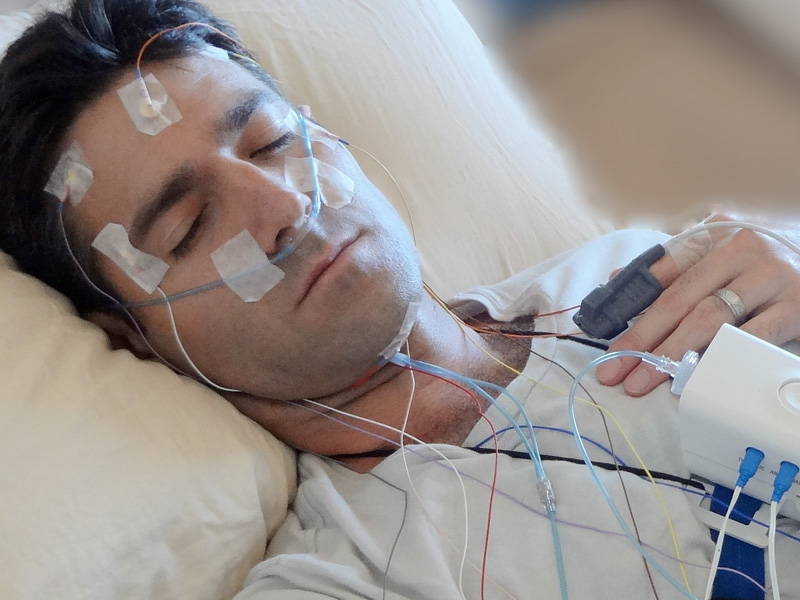
Polysomnography is a comprehensive diagnostic test that records multiple biological functions simultaneously throughout the night. This gold-standard sleep study Perth clinics use captures brain waves, heart rhythm, breathing patterns, oxygen levels, and body movements to create a complete picture of your sleep architecture and identify any disorders disrupting your rest.
The Overnight Monitoring Process
When you arrive at a sleep clinic for your scheduled study, a trained technician guides you through the setup process. The procedure follows a systematic approach designed to capture detailed physiological data:
1. Sensor Placement
The technician attaches small sensors to specific locations on your body using gentle adhesive or elastic bands. Electrodes placed on your scalp measure brain wave activity (electroencephalography or EEG), tracking the different sleep stages you cycle through during the night. Additional sensors near your eyes detect rapid eye movements, which help identify REM sleep phases.
Breathing monitors include belts positioned around your chest and abdomen to measure respiratory effort, while a small sensor beneath your nose records airflow. A pulse oximeter clips onto your fingertip to track blood oxygen saturation levels throughout the night. Electrodes on your legs detect movements associated with conditions like restless leg syndrome, and sensors monitor your heart rate and rhythm.
2. The Sleep Environment
Perth sleep clinics design their facilities to replicate a comfortable bedroom setting rather than a clinical atmosphere. Private rooms feature hotel-quality beds, adjustable lighting, and temperature controls to help you relax despite the monitoring equipment. The wires connecting your sensors to recording devices have sufficient length to allow natural movement and position changes during sleep.
A technician monitors your readings from an adjacent control room throughout the night, ensuring all equipment functions properly and data collection remains uninterrupted. An intercom system allows two-way communication if you need assistance or have questions during the study. Many facilities offer amenities like television access before lights-out to help you unwind in this unfamiliar environment.
3. Data Collection and Analysis
The polysomnography equipment records continuous data streams across multiple channels for six to eight hours. This comprehensive monitoring captures hundreds of sleep cycles, breathing events, movement episodes, and physiological changes that occur naturally during rest. Sleep specialists later analyze these recordings to identify
Who Should Consider Having a Sleep Study in Perth?
Anyone experiencing persistent sleep disturbances that affect daily functioning should consider a sleep study. Chronic snoring accompanied by witnessed pauses in breathing represents one of the most significant warning signs requiring professional evaluation.
Warning Signs for Sleep Study
- Gasping or choking sensations during the night indicate potential breathing interruptions that warrant immediate investigation. These episodes often go unnoticed by the person experiencing them but are typically observed by bed partners who report alarming breathing patterns throughout the night.
- Persistent insomnia lasting more than three months despite adequate opportunity for sleep signals the need for comprehensive assessment. This includes difficulty falling asleep, frequent nighttime awakenings, or waking too early without being able to return to sleep.
- Excessive daytime sleepiness that interferes with work, driving, or social activities presents another critical indicator. Individuals who struggle to stay awake during meetings, while watching television, or worse, while operating vehicles, require urgent evaluation regardless of how many hours they spend in bed.
- Morning headaches occurring regularly upon waking suggest disrupted sleep patterns or oxygen deprivation during the night. These headaches typically improve as the day progresses but return consistently each morning.
- Difficulty concentrating, memory problems, or declining work performance linked to poor sleep quality merit professional attention. The brain requires quality sleep for cognitive function, and persistent mental fog indicates inadequate rest.
- Irritability, mood changes, or feelings of depression connected to sleep issues should prompt consideration of a sleep study. Mental health and sleep quality share bidirectional relationships where each significantly impacts the other.
- Unrefreshing sleep despite spending adequate time in bed represents a paradoxical symptom requiring investigation. Waking feeling exhausted after seven to nine hours suggests sleep architecture disruption rather than insufficient sleep duration.
- Restless movements during sleep, including frequent leg jerking or uncomfortable sensations requiring movement, indicate potential neurological sleep disorders. Bed partners often report these movements before the affected individual becomes aware of them.

How Can Patients Prepare for Their Sleep Study in Perth?
Preparing for sleep study success begins with documenting your symptoms and medications in detail. Bring a comprehensive list of nighttime issues you experience—including snoring patterns, breathing interruptions, restlessness, or unusual sensations—along with all current medications, supplements, and dosages. This information helps sleep specialists understand your unique situation and interpret test results accurately.
Creating a Sleep Diary Before Your Study
A sleep diary provides invaluable insights that enhance the diagnostic process. Track your sleep patterns for at least one to two weeks before your scheduled study, noting:
- Bedtime and wake-up times
- Number of times you wake during the night
- Daytime naps and their duration
- Caffeine and alcohol consumption
- Exercise timing and intensity
- Stress levels throughout the day
- How refreshed you feel upon waking
This detailed record reveals patterns that might not be apparent during a single night of monitoring. Sleep specialists use this baseline information to contextualize your polysomnography results and identify trends that contribute to poor sleep quality.
What to Bring on the Day of Your Study
Pack an overnight bag as you would for a comfortable hotel stay. Essential items include:
- Your completed sleep diary and symptom list
- Current medications in their original containers
- Comfortable, loose-fitting sleepwear (avoid silk or satin materials that interfere with sensors)
- Personal toiletries for your morning routine
- Any items that help you sleep, such as a favorite pillow
- Reading material or quiet activities for before lights-out
Medication List Requirements
Your medication list should be thorough and specific. Include prescription drugs, over-the-counter medications, herbal supplements, and vitamins. Note the dosage, frequency, and time of day you typically take each medication. Some medications affect sleep architecture or breathing patterns, so this information is critical for accurate interpretation of your study results. If you use sleep aids, pain medications, or psychiatric medications, these are particularly important to document.
For more detailed insights on how certain medications can impact your sleep study results, refer to this comprehensive guide which explores various aspects related to medication usage and its effects on health.
Clothing Considerations for Optimal Comfort
Wear breathable, two-piece pajamas that allow easy sensor placement. Button-front tops work better than pullovers since technicians need to attach electrodes to your chest and abdomen. Avoid clothing with
What Types of Sleep Disorders Can Be Diagnosed Through a Sleep Study in Perth?
A sleep study in Perth can identify multiple diagnosed sleep disorders through comprehensive overnight monitoring. Polysomnography detects abnormalities in breathing patterns, brain activity, and body movements that indicate specific conditions requiring medical intervention.
Sleep Apnea: Obstructive and Central Forms
Obstructive sleep apnea occurs when throat muscles repeatedly relax and block the airway during sleep. The sensors attached during polysomnography measure breathing cessation episodes, oxygen desaturation levels, and arousal patterns that characterize this condition. Patients with obstructive sleep apnea typically experience loud snoring followed by silent pauses and gasping sounds.
Central sleep apnea differs significantly from its obstructive counterpart. This disorder stems from the brain failing to send proper signals to breathing muscles rather than physical airway blockage. The sleep study records these lapses in respiratory effort, helping clinicians distinguish between the two types and develop targeted treatment approaches.
Restless Leg Syndrome and Periodic Limb Movement Disorder
Restless leg syndrome manifests as uncomfortable sensations in the legs accompanied by an irresistible urge to move them. During polysomnography, leg sensors capture involuntary movements that disrupt sleep architecture. These movements often occur in periodic patterns throughout the night, fragmenting sleep cycles and preventing restorative rest.
Periodic limb movement disorder frequently accompanies restless leg syndrome. The sleep study documents the frequency and intensity of these movements, which patients often remain unaware of despite their significant impact on sleep quality.
Insomnia: Primary and Secondary Forms
Insomnia presents in various forms that polysomnography helps differentiate. Primary insomnia exists independently without underlying medical conditions, while secondary insomnia results from other health issues, medications, or psychiatric disorders. The study reveals actual sleep duration versus perceived sleep time, identifies fragmented sleep patterns, and measures how long it takes to fall asleep.
Sleep maintenance insomnia shows frequent awakenings throughout the night, while sleep onset insomnia demonstrates prolonged periods before initially falling asleep. The detailed data collected helps clinicians determine whether cognitive behavioral therapy, medication, or other interventions would prove most effective.
How Do Diagnosed Sleep Disorders Impact Overall Health?
Untreated sleep disorders create a cascade of health complications that extend far beyond feeling tired during the day. The health risks poor sleep quality brings can affect virtually every system in your body, from your heart to your brain.
Cardiovascular System Under Stress
Sleep disorders directly threaten heart health through multiple mechanisms. Cardiovascular disease risk increases substantially when sleep apnea goes untreated, as repeated breathing interruptions cause oxygen levels to drop and blood pressure to spike throughout the night. These fluctuations force the heart to work harder, leading to hypertension in approximately 50% of sleep apnea patients.
The strain doesn’t stop there. People with chronic sleep disorders face elevated risks of:
- Heart attacks and stroke
- Irregular heart rhythms (arrhythmias)
- Heart failure
- Atherosclerosis (hardening of arteries)
Research shows that individuals with severe sleep apnea are three times more likely to develop heart disease compared to those without sleep disorders.
Metabolic Disruption and Weight Gain
Poor sleep fundamentally alters how your body processes energy and regulates appetite. Sleep deprivation disrupts hormones that control hunger, increasing ghrelin (which stimulates appetite) while decreasing leptin (which signals fullness). This hormonal imbalance drives cravings for high-calorie foods and makes weight management extremely difficult.
Type 2 diabetes risk rises sharply with untreated sleep disorders. Insufficient sleep impairs insulin sensitivity, meaning your cells become less responsive to insulin’s signals. Studies indicate that people who consistently sleep fewer than six hours per night are 50% more likely to develop diabetes.
Obesity becomes increasingly common as sleep disorders persist. The combination of hormonal changes, reduced physical activity from daytime fatigue, and altered metabolism creates a perfect storm for weight gain.
Mental Health Deterioration
The mental health impact of sleep disorders creates a bidirectional relationship where poor sleep worsens mental health conditions, which in turn make sleep problems more severe. Depression and anxiety disorders occur at significantly higher rates among those with chronic sleep issues.
Sleep deprivation affects neurotransmitter production and brain chemistry. Serotonin and dopamine levels become imbalanced,
What Treatment Options Are Available After Receiving a Diagnosis From a Sleep Study in Perth?
Treatment after diagnosis from sleep study in Perth varies based on your specific condition, with options ranging from medical devices to behavioral strategies and medications. Your sleep specialist will design a personalized treatment plan targeting the root cause of your sleep disorder.
CPAP Therapy for Sleep Apnea
Continuous Positive Airway Pressure (CPAP) therapy remains the gold standard for obstructive sleep apnea. The device delivers pressurized air through a mask worn during sleep, keeping your airways open throughout the night. Modern CPAP machines feature quiet operation, heated humidification, and auto-adjusting pressure settings that adapt to your breathing patterns. Many Perth clinics offer mask fitting sessions to ensure comfort and proper seal.
Alternative pressure therapy options include BiPAP (Bilevel Positive Airway Pressure) machines, which provide different pressure levels for inhalation and exhalation. Some patients find BiPAP more comfortable, particularly those who struggle with exhaling against continuous pressure.
Behavioral Interventions for Insomnia
Cognitive Behavioral Therapy for Insomnia (CBT-I) addresses the thoughts and behaviors perpetuating sleep difficulties. This structured program typically runs 6-8 weeks and includes:
- Sleep restriction therapy to consolidate sleep time
- Stimulus control techniques associating bed with sleep only
- Cognitive restructuring to challenge anxiety-provoking thoughts about sleep
- Relaxation training including progressive muscle relaxation and breathing exercises
CBT-I produces lasting results without medication dependence, making it a preferred first-line treatment for chronic insomnia.
Medication Options
Pharmacological treatments target specific sleep disorders when other interventions prove insufficient. Restless leg syndrome may respond to dopamine agonists or anticonvulsants that reduce uncomfortable leg sensations. Narcolepsy patients often require stimulant medications to manage excessive daytime sleepiness, combined with sodium oxybate for nighttime symptoms.
Sleep-promoting medications like melatonin receptor agonists or low-dose sedatives may support short-term insomnia management. Perth sleep specialists prescribe these cautiously, monitoring for side effects and dependency risks.
How Long Does It Typically Take to Adjust to Sleep Disorder Treatments Like CPAP Therapy? What Lifestyle Changes Can Complement These Treatments?
The treatment adjustment period for CPAP therapy typically spans anywhere from several weeks to a few months. Most patients begin noticing improvements in sleep quality within the first two weeks, though full adaptation to wearing the mask and equipment throughout the night may take longer. The CPAP adaptation time varies significantly between individuals, with some adjusting within days while others need three months or more to feel completely comfortable with their therapy.
Ongoing support from your healthcare provider plays a critical role during this adjustment phase. Regular follow-up appointments allow your sleep specialist to fine-tune pressure settings, address mask fit issues, and troubleshoot any discomfort you’re experiencing. This continuous monitoring ensures both compliance and effectiveness of your treatment plan.
What Sleep Schedule Should You Follow During Treatment?
A consistent schedule forms the foundation of successful sleep disorder treatment. Going to bed and waking up at the same time every day—including weekends—helps reinforce your body’s natural circadian rhythm. This regularity makes it easier to fall asleep with CPAP equipment and maximizes the therapeutic benefits of your treatment.
Your body responds to predictable patterns by releasing sleep hormones at appropriate times. When you maintain consistency, you’re essentially training your brain to recognize when it’s time to rest, which complements any medical interventions you’re receiving.
How Should You Optimize Your Bedroom Environment?
Creating an optimal sleeping environment removes barriers to restful sleep. Your bedroom should be:
- Cool (between 15-19°C)
- Dark with blackout curtains or an eye mask
- Quiet using white noise machines if needed
- Comfortable with supportive pillows and mattress
Remove electronic devices that emit light or create distractions. The blue light from screens interferes with melatonin production, making it harder to fall asleep even when using CPAP therapy.
What Pre-Bedtime Habits Support Better Sleep?
Screen time limits become essential for lifestyle changes that promote better sleep. Stop using phones, tablets, and computers at least 60-90 minutes before bed. The stimulation from social media, emails,
Why Should You Consider Undergoing a Comprehensive Sleep Study in Perth?
A comprehensive sleep study in Perth provides the foundation for transforming your health through accurate diagnosis and targeted treatment. When sleep disorders remain undiagnosed, they silently erode your physical and mental wellbeing, increasing your vulnerability to serious health complications.
Immediate Health Benefits
The diagnostic clarity gained from polysomnography enables healthcare providers to develop personalized treatment plans that address your specific sleep disorder. Patients typically experience noticeable improvements within the first few weeks of treatment, including:
- Enhanced daytime alertness and energy levels
- Improved concentration and cognitive function
- Better mood regulation and emotional stability
- Reduced morning headaches and grogginess
- Restored ability to feel refreshed upon waking
Long-Term Disease Prevention
Treating diagnosed sleep disorders significantly reduces your risk of developing chronic health conditions. Sleep apnea treatment, for instance, lowers your chances of experiencing cardiovascular events by normalizing blood pressure and reducing strain on your heart. Proper sleep management helps regulate blood sugar levels, decreasing diabetes risk and supporting healthy weight maintenance.
Quality of Life Improvements
The ripple effects of improved sleep extend into every aspect of daily life. Patients report stronger relationships due to reduced irritability and better emotional regulation. Work performance improves as concentration sharpens and productivity increases. Physical activities become more enjoyable when fatigue no longer limits your capacity.
Mental Health Enhancement
Addressing sleep disorders directly impacts mental wellbeing. Quality sleep supports the brain’s ability to process emotions and manage stress effectively. Many patients experience reduced symptoms of anxiety and depression once their sleep issues receive proper treatment, as restorative sleep allows the mind to heal and recharge.
Immune System Strengthening
Regular, uninterrupted sleep strengthens your body’s natural defense mechanisms. When you improve your health with a sleep study Perth, you’re investing in your immune system’s ability to fight infections and recover from illness. The body performs essential repair work during deep sleep stages, maintaining cellular health and tissue regeneration.
Cognitive Function Preservation
Sleep plays a crucial role in memory consolidation and learning. Treating sleep disorders protects against cognitive decline