
What Is Sleep Testing and How Has It Evolved in Adelaide?
Sleep testing in Adelaide has changed significantly over time. It used to involve overnight stays in hospitals, but now there are convenient home-based solutions available.
The Traditional Method of Sleep Testing
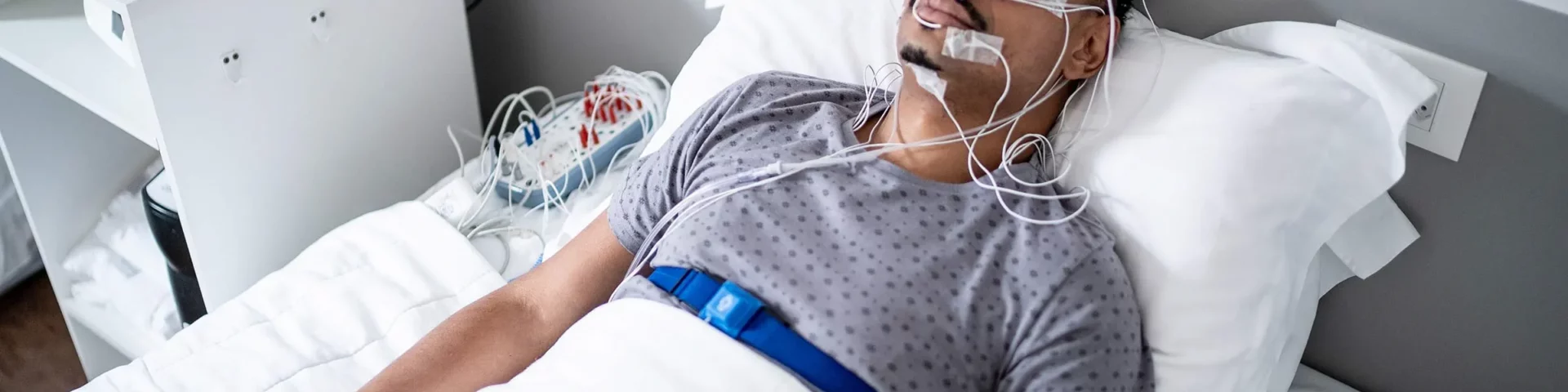
In the past, sleep diagnostics meant spending nights in unfamiliar clinical environments. During these tests, patients had to wear complex equipment while technicians monitored their every movement.
The Shift Towards Home-Based Sleep Testing
As technology advanced and patient needs evolved, the landscape began to change. Adelaide now embraces at-home sleep diagnostics as a mainstream option. This means that individuals can now undergo comprehensive sleep assessments without leaving their own bedrooms.
Addressing Accessibility Issues
This evolution is important because it solves a major problem with accessibility. Many residents of Adelaide used to avoid Sleep Testing Adelaide services for various reasons:
- Long waiting lists for in-clinic appointments
- Discomfort sleeping in medical facilities
- Time constraints and work commitments
- Anxiety about clinical environments
The Benefits of At-Home Sleep Testing
At-home sleep testing kits are now available and they offer professional-grade monitoring through lightweight, ergonomic devices. Patients receive the equipment directly at their doorstep, along with simple instructions and remote support. This approach ensures that the accuracy of the diagnosis is maintained while also respecting the natural sleep environment where disorders actually happen.
What Are At-Home Sleep Testing Kits and How Do They Work?
At-home sleep testing kits are lightweight, ergonomic devices designed for comfortable overnight wear in your own bedroom. These portable monitoring systems typically include sensors that track breathing patterns, oxygen levels, heart rate, and body position throughout the night. The equipment arrives at your doorstep with straightforward setup instructions, eliminating the need for complex medical knowledge or technical expertise.
How Does an At-Home Sleep Study Work?
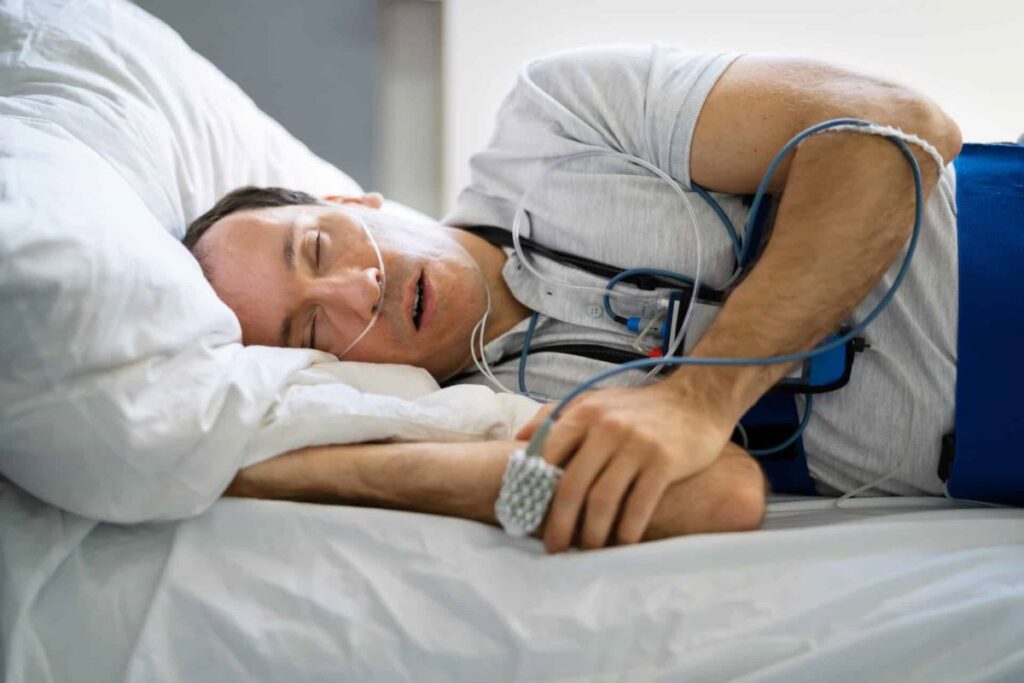
Using the kit involves attaching small, non-invasive sensors to specific areas of your body before bed. Most home sleep studies require patients to wear:
- A nasal cannula or airflow sensor to measure breathing
- A pulse oximeter on your finger to track oxygen saturation
- Chest or abdominal bands to monitor respiratory effort
- Position sensors to record sleep posture
The entire setup process takes approximately 10-15 minutes. Patients maintain their regular bedtime routines and sleep in their own beds, allowing the devices to capture authentic sleep data. The equipment records information automatically throughout the night without requiring any intervention.
What Happens After the Sleep Study?
After waking, you simply remove the sensors and pack the kit according to the provided instructions for return shipping. Sleep specialists then analyze the collected data to identify potential sleep disorders and develop appropriate treatment recommendations.
Why Are At-Home Sleep Tests Becoming Popular Among Adelaide Locals?
Adelaide residents are rapidly embracing at-home sleep testing because it eliminates the need to spend a night in an unfamiliar clinical setting. The convenience of home testing allows patients to maintain their regular evening routines, sleep in their own beds, and avoid the disruption of traveling to a sleep clinic.
Conducting assessments in a familiar environment addresses one of the most significant challenges of traditional sleep studies: the “first-night effect.” Many people struggle to sleep normally when connected to monitoring equipment in a strange room surrounded by medical equipment. At home, patients can:
- Follow their usual bedtime rituals
- Sleep beside their partner if they choose
- Use their preferred pillows and bedding
- Adjust room temperature and lighting to personal preferences
This comfort in familiar environment directly impacts the quality of data collected. When patients sleep more naturally, the results better reflect their typical sleep patterns and breathing behaviors. A person who tosses and turns nervously in a clinic might show different symptoms than they would in their own bedroom.
The accessibility factor resonates strongly with Adelaide locals who balance work commitments, family responsibilities, and health needs. Home testing removes barriers like taking time off work, arranging childcare, or coordinating transportation for evening appointments. Patients can complete their assessment on any night that suits their schedule.
How Is the At-Home Sleep Testing Process Managed and Supported?
The process begins when patients receive their sleep testing kit directly at their doorstep, complete with comprehensive instructions designed for straightforward setup. Each kit includes step-by-step guides that walk users through device placement, ensuring even those unfamiliar with medical equipment can confidently prepare for their overnight study.
Kit Delivery and Instructions
The kit delivery and instructions cover everything from sensor attachment to device activation. The materials break down complex procedures into simple, manageable steps with visual aids and written explanations. Patients typically find the setup takes less than 15 minutes, allowing them to maintain their regular bedtime routine without significant disruption.
Telehealth Support
Telehealth support serves as a critical safety net throughout the testing experience. Patients can access phone support before, during, and after their study to address any concerns or technical questions. This remote assistance ensures individuals never feel isolated during the process, with trained professionals available to troubleshoot issues or provide reassurance about proper equipment use.
The combination of clear documentation and accessible human support creates a seamless experience. Sleep specialists remain connected to patients through virtual channels, reviewing preliminary data and confirming successful recordings. This dual approach of physical kit delivery paired with digital support infrastructure makes Sleep Testing Adelaide: How At-Home Diagnostics Are Helping Locals Sleep Better a reality for residents seeking answers about their sleep health.
See Also : How a Sleep Study in Brisbane Can Help Identify the Hidden Causes of Fatigue
What Do Sleep Specialists Do in At-Home Diagnostics?
Sleep specialist analysis transforms raw data from home testing kits into actionable health insights. Experienced sleep scientists review every parameter recorded during the night, examining breathing patterns, oxygen levels, heart rate variations, and movement disturbances to identify conditions like obstructive sleep apnea, periodic limb movement disorder, or bruxism.
The expertise these specialists bring extends far beyond simple data interpretation. They contextualize findings within each patient’s unique health history, lifestyle factors, and reported symptoms. A reading that might appear concerning in isolation could be normal for someone with specific health conditions, while subtle patterns might reveal significant issues another provider could miss.
Personalized treatment plans emerge from this detailed analysis. Sleep specialists consider multiple factors when recommending interventions:
- Severity and type of sleep disorder detected
- Patient’s age, weight, and existing health conditions
- Lifestyle considerations and sleep environment
- Previous treatment attempts or current medications
- Patient preferences for treatment approaches
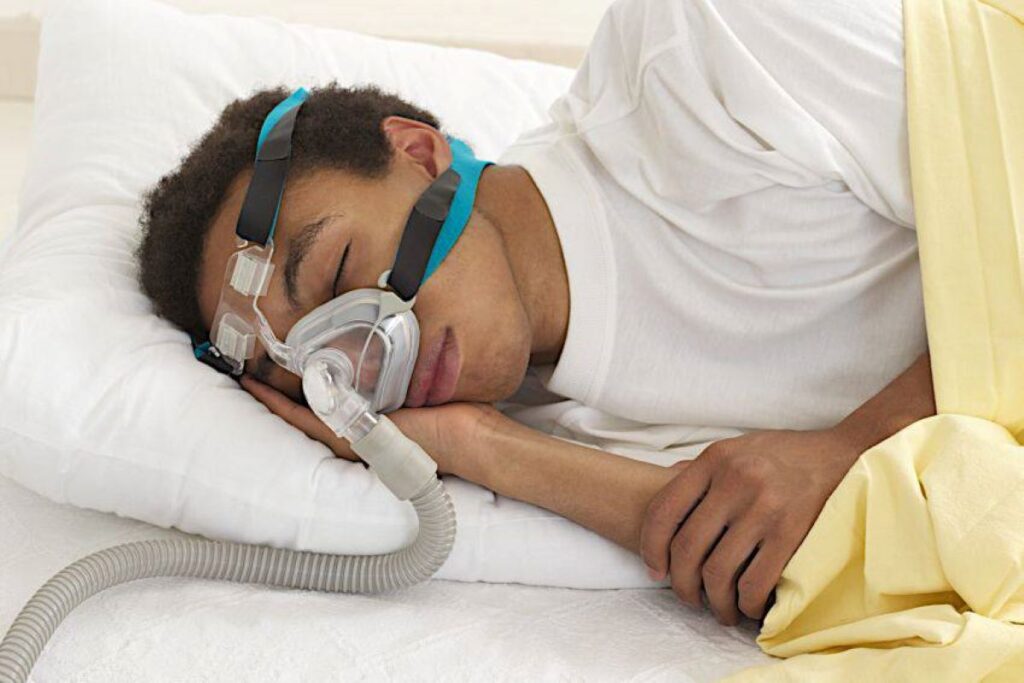
During telehealth consultations, specialists explain test results using clear, accessible language rather than overwhelming patients with technical jargon. They discuss various treatment options, from CPAP therapy and oral appliances to lifestyle modifications and positional therapy. This collaborative approach ensures patients understand their condition and feel empowered to participate actively in their treatment journey, leading to better compliance and improved outcomes.
How Do Home Sleep Tests Compare to Traditional In-Clinic Polysomnography?
In-clinic polysomnography vs home testing presents distinct advantages depending on patient needs and circumstances. Home sleep tests monitor essential parameters like breathing patterns, oxygen levels, and heart rate using lightweight devices, while in-clinic polysomnography tracks additional metrics including brain waves, eye movements, and muscle activity through more comprehensive equipment.
Accuracy varies based on the condition being diagnosed. Home tests effectively detect obstructive sleep apnea with reliable results when patients follow instructions correctly. In-clinic studies provide more detailed data for complex sleep disorders requiring extensive monitoring, though the unfamiliar laboratory environment can sometimes affect natural sleep patterns and skew results. You may like to visit https://www.aihw.gov.au/reports/chronic-respiratory-conditions/sleep-related-breathing-disorders/summary to get more about sleep-related breathing disorders with a focus on obstructive sleep apnoea.
Supervision represents a key difference between methods. Traditional polysomnography involves overnight observation by trained technicians who can adjust equipment and ensure proper data collection throughout the night. Home testing relies on patient self-application, though telehealth support and clear instructions minimize technical difficulties.
Cost-effectiveness makes home testing attractive for many Adelaide residents. At-home kits eliminate accommodation expenses and time off work required for overnight clinic stays. Some Adelaide providers offer bulk-billing options for home studies, reducing out-of-pocket costs. In-clinic polysomnography typically costs more due to facility fees and technician supervision, though Medicare rebates may apply for both testing methods depending on individual circumstances.
What Are the Health Benefits of Diagnosing Sleep Disorders Early Through At-Home Testing?
Early diagnosis benefits extend far beyond simply getting better rest. Untreated sleep disorders like obstructive sleep apnea significantly increase the risk of cardiovascular disease, stroke, and type 2 diabetes. At-home sleep testing in Adelaide enables faster identification of these conditions, allowing treatment to begin before serious complications develop.
Physical health improvements include:
- Reduced blood pressure and heart strain
- Lower risk of metabolic disorders
- Decreased inflammation throughout the body
- Improved immune system function
Mental health sees equally important gains. Sleep disorders contribute to depression, anxiety, and cognitive decline when left undiagnosed. Timely intervention through accessible at-home testing helps Adelaide residents maintain sharper focus, better emotional regulation, and enhanced memory function.
The convenience factor of home diagnostics means people who might delay or avoid in-clinic testing can access care sooner, catching problems at earlier, more treatable stages.
Conclusion
At-home sleep diagnostics represent a significant shift in how Adelaide residents approach their sleep health. The combination of accessible sleep diagnostics Adelaide offers—convenience, accuracy, and professional support—positions these services as a cornerstone of preventative healthcare in the region.
The expansion of home-based testing capabilities means more locals can identify and address sleep disorders before they escalate into serious health complications. As technology advances and telehealth integration deepens, Sleep Testing Adelaide: How At-Home Diagnostics Are Helping Locals Sleep Better will continue transforming from a convenient alternative into the preferred standard for initial sleep assessments. This evolution promises healthier, better-rested communities across Adelaide.